
What is Tavus Griffin and how does it work?
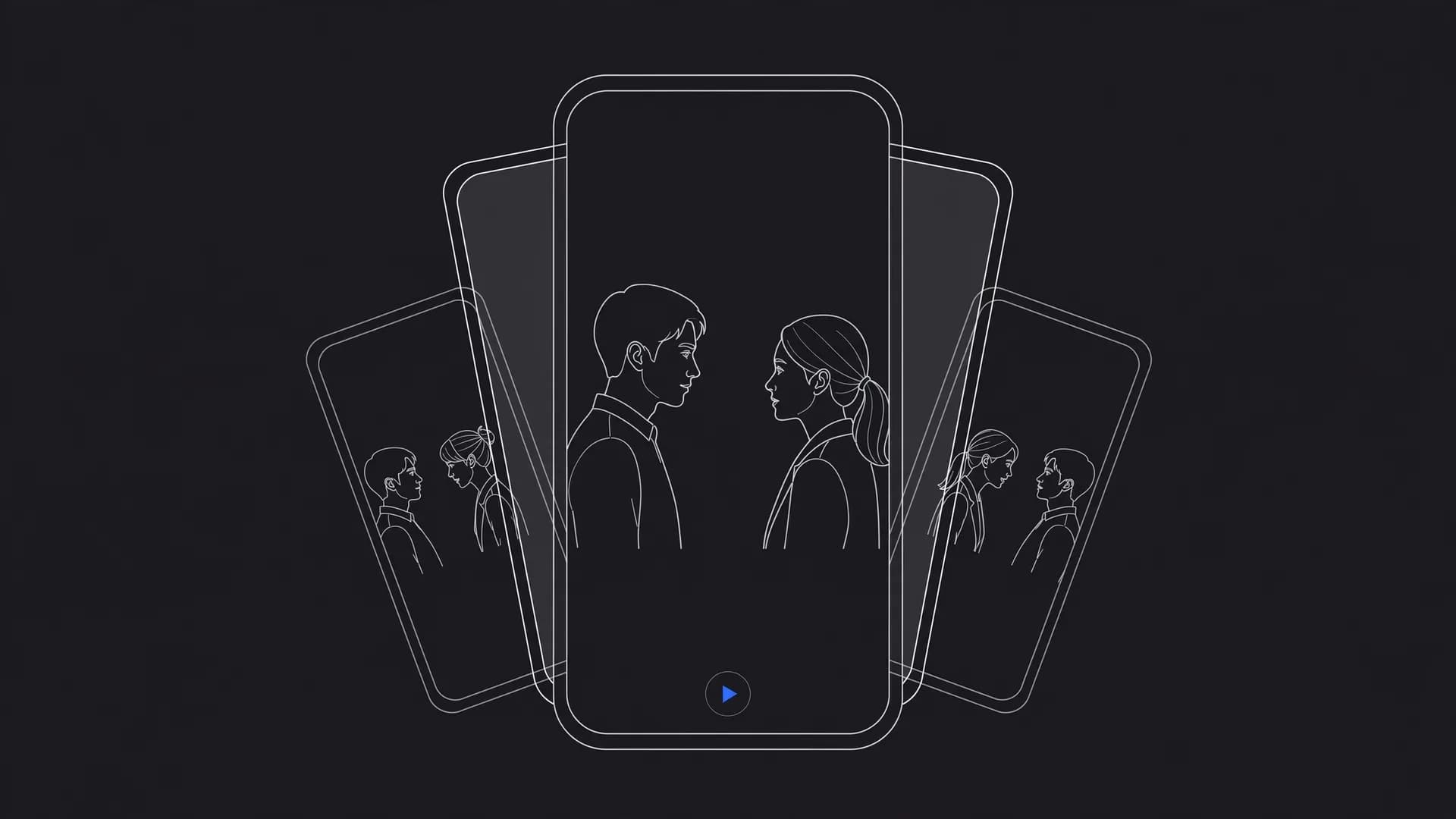
Tavus Griffin marks a notable shift in synthetic media by competing in a live video turing test designed to evaluate conversational realism. Developed by Tavus, Griffin is an advanced conversational model architecture built to power digital personas that talk, listen, and react during two-way video calls.
Traditional video models generate clips sequentially from text prompts or still photos. Griffin operates differently by streaming fluid facial movements, spoken dialogue, and subtle reactions simultaneously while processing audio input from a live speaker.
Announced on October 1, 2026, the technology aims to close the gap between pre-recorded synthetic footage and responsive video interactions. It models facial micro-expressions and precise vocal pacing so that digital presenters can hold extended video conversations with natural rhythm.
How benchmark testing evaluated Tavus Griffin against human baselines
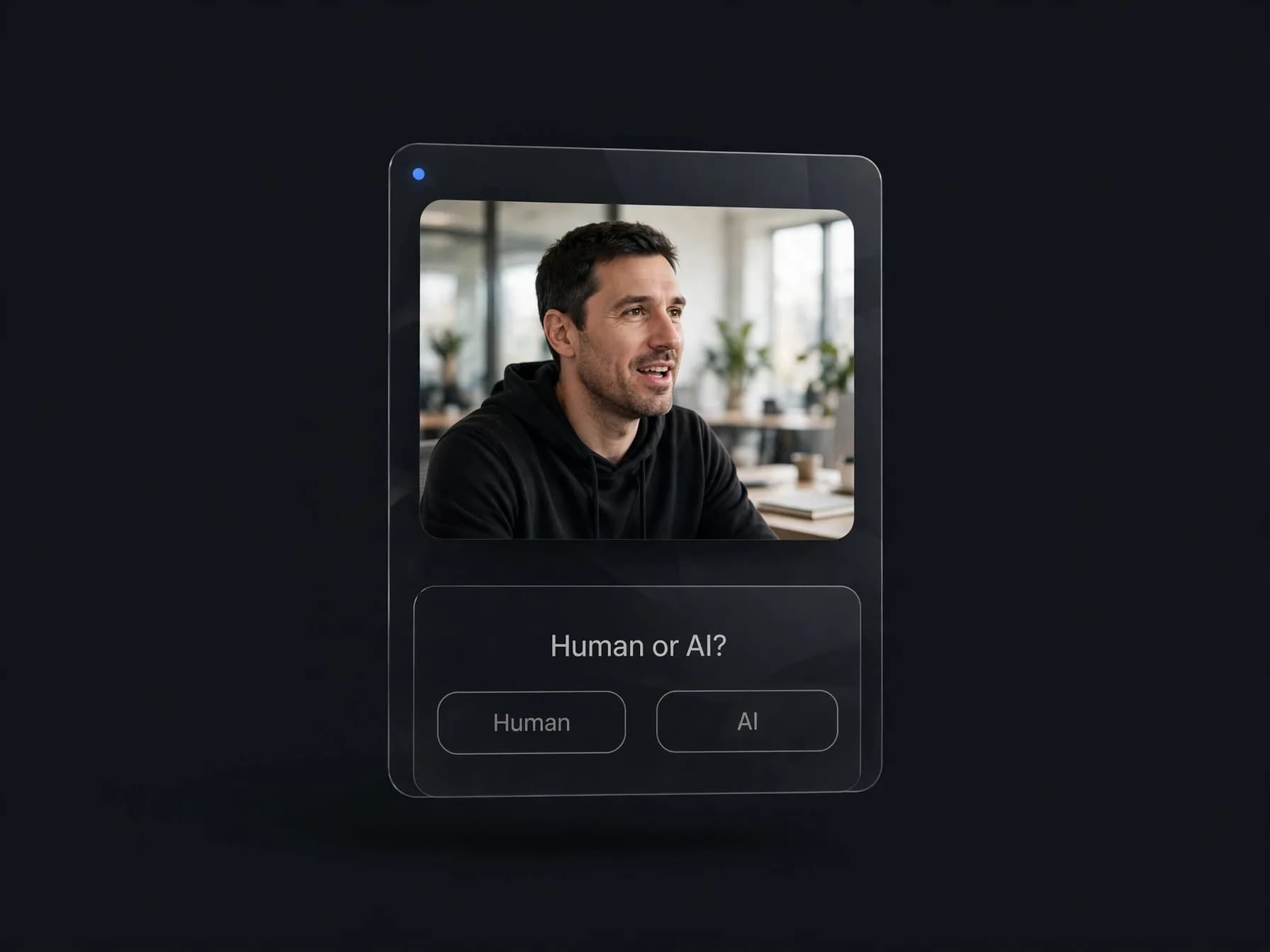
During a rigorous turing test AI evaluation, researchers tested whether casual observers could tell an automated system apart from an actual person in real time. In a one-minute live video call trial with 54 human participants, 48 percent believed they were speaking with a real human. By comparison, the previous Tavus stack convinced only 2.4 percent of participants, or one out of 41 evaluators.
The system also claimed the top spot on the NVIDIA VideoFDB conversational benchmark. It recorded a generation realism score of 3.83 compared to human video at 3.92, alongside a perception rating of 3.73 against human performance at 4.20.
These numbers indicate that real-time video generation is nearing perceptual parity in short interactions. While extended conversations still expose synthetic artifacts, short exchanges now mimic realistic human presence with measurable consistency.
The streaming architecture behind conversational AI video agents
Deploying a responsive real time AI avatar requires synchronizing visual frame generation with immediate conversational cues. Tavus coordinates this experience through distinct specialized systems that handle comprehension, verbal timing, and visual output.
The pipeline uses Raven-1 for sensory perception and Sparrow-2 for conversational turn-taking and interruption handling. Rendering is managed by Phoenix-4.5 with low latency around 134 milliseconds, while Griffin provides high-fidelity facial modeling and continuous environmental adaptation.
This architecture lets developers build conversational agents that pause when interrupted and resume naturally. While creator tools like an AI avatar generator produce polished pre-recorded speaking clips from photos, conversational architectures focus strictly on low-latency streaming.
Accessing Tavus Griffin and current platform availability
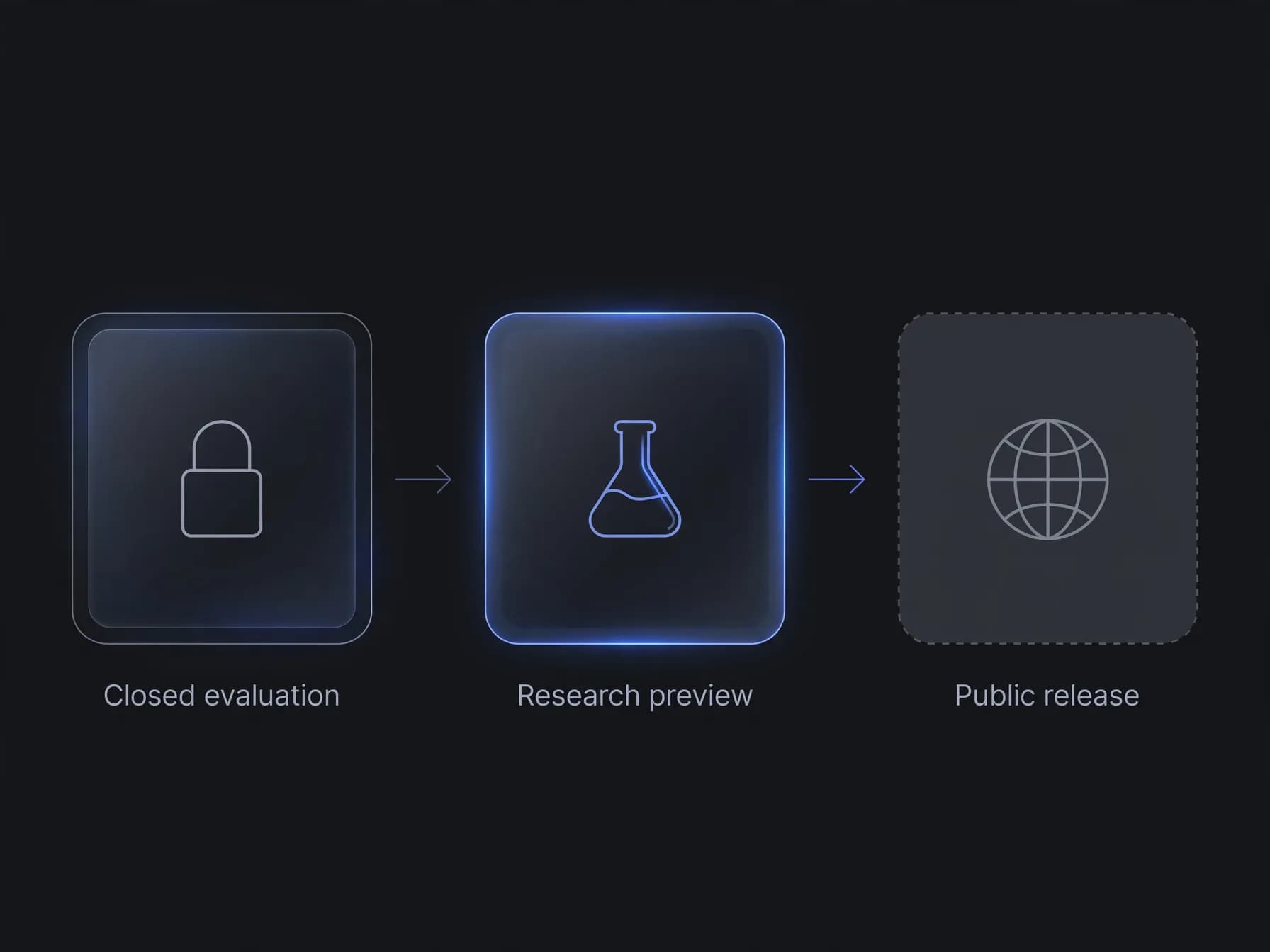
Access to the full Tavus Griffin AI system remains limited as the company conducts closed evaluations. Only Griffin-Lite is currently available as a research preview for select developer testers, and public pricing for the architecture has not yet been announced.
General Tavus platform plans remain structured around monthly usage tiers. These include a Free tier providing 20 minutes of conversational video per month, a Starter plan at $22 per month, a Builder tier at $59 per month, a Growth tier at $397 per month, and a Business plan at $975 per month.
Developers using current platform features can train custom visual personas using either a short training video or a single reference portrait. The platform incorporates strict safety checks to prevent unauthorized likeness replication and misuse during live sessions.
Pre-recorded AI video tools versus live conversational agents
Understanding where conversational models fit requires separating real-time interaction from traditional video creation. Live agents prioritize quick responses under 200 milliseconds, trading off cinematic camera control and complex prompt directing.
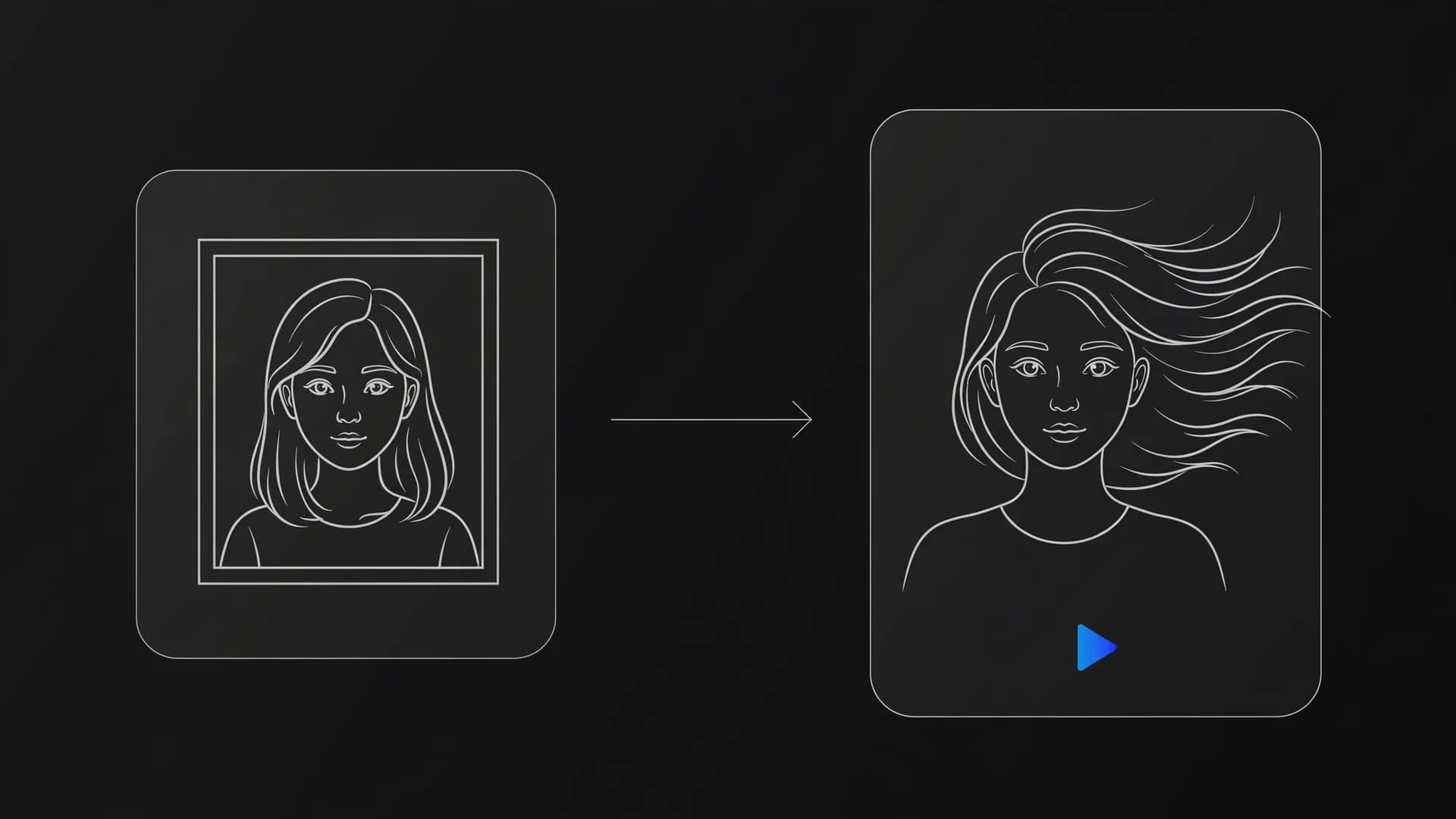
In contrast, pre-recorded video generators focus on maximum visual detail, sound effects, and stylistic control. Platforms like OnVid let you generate clips up to 60 seconds on Max plans from text prompts or still photos, giving you direct control over pacing and scene composition.
While real-time interactive AI avatars are on our roadmap at OnVid, pre-recorded video creation remains the practical choice for marketing clips, social content, and storytelling. Exploring Tavus alternatives and comparing popular HeyGen alternatives helps clarify whether your project needs live user dialogue or scripted video production.
Preparing your workflow for conversational AI video systems
Adopting technologies like a Tavus Griffin video pipeline starts with defining the role your automated agent will play. Interactive video works best for customer support, simulated roleplay training, and live virtual assistance where two-way feedback is essential.
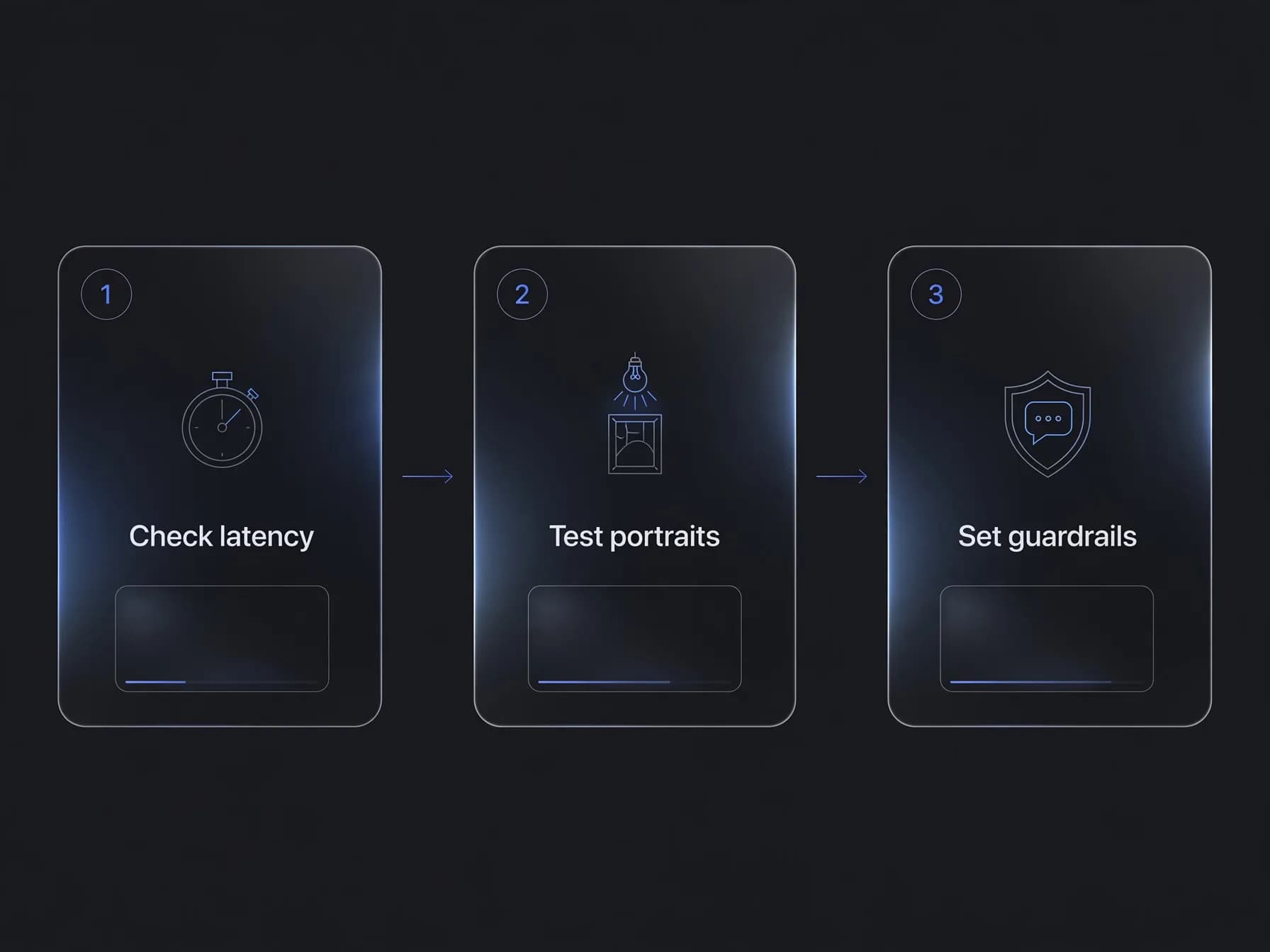
Step 1 is auditing your latency requirements to determine whether live streaming or pre-rendered video matches your project goals. Step 2 involves testing portrait assets with clean lighting so avatar rendering models maintain stable facial features during speech.
Step 3 requires implementing clear conversational guardrails so that synthetic personas stay grounded during live user interactions. Preparing these assets today ensures your team is ready as conversational video platforms expand into broader release.