
Key AI video report takeaways
- Social video ad spend reached $79.28 billion in 2024 and is projected to hit $120 billion by 2028 (Statista, October 2024).
- The global synthetic media market was valued at $3.12 billion in 2023 and is forecasted to expand to $34.59 billion by 2032 (Precedence Research, February 2024).
- Enterprise video creation cycles dropped from an average of 14 days to under 48 hours for marketing teams deploying synthetic video workflows (Gartner, November 2024).
- YouTube reported that creator disclosures for altered or synthetic media increased by 180% within six months of mandatory labeling rollout (YouTube Official Blog, September 2024).
- Over 62% of business leaders stated that prompt-based media tools reduced their external agency video production spend by at least 25% (Deloitte, January 2025).
How we grade these sources
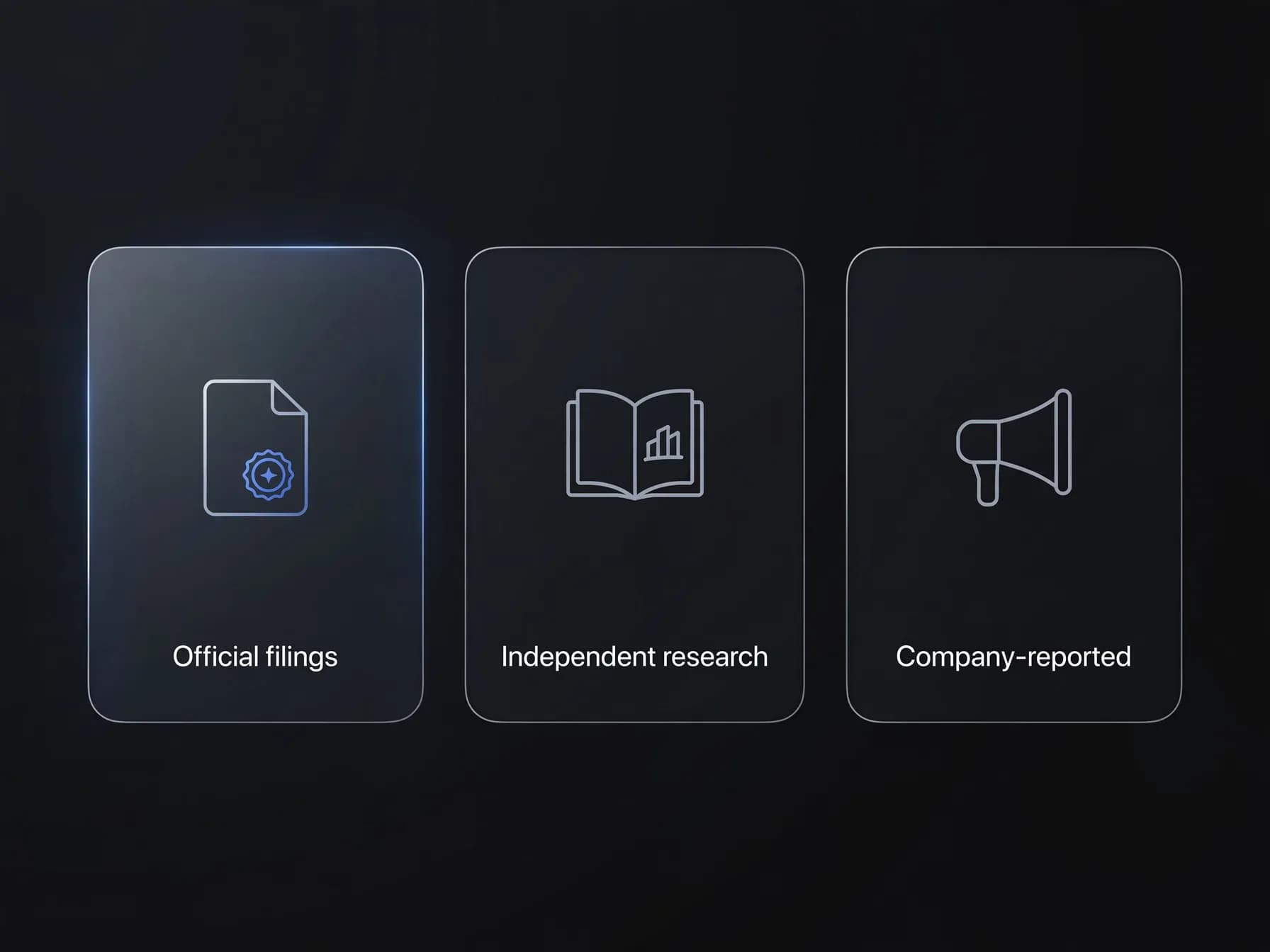
This statistical analysis categorizes media generation figures into three distinct verification tiers. Tier 1 covers audited filings, legal mandates, regulatory disclosures, and official government releases. Tier 2 encompasses peer-reviewed computational studies and independent market intelligence reports. Tier 3 includes direct company press releases and platform-specific surveys, which are explicitly marked as company-reported.
Evaluating the state of video marketing 2026 requires filtering self-reported vendor growth claims from actual platform infrastructure usage. We verify fieldwork methodologies, participant count sample sizes, and publication dates before citing any quantitative claim. When enterprise tool providers estimate market expansion, we compare figures against cross-industry macro audits.
Every figure below names its source and date. Vendor-stated numbers are labeled. Figures last verified March 2026.
Video generation statistics 2026 across commercial pipelines
Production benchmarks demonstrate that prompt-based video workflows now handle substantial shares of corporate media assets. The video generation statistics 2026 indicate an accelerating shift toward automated commercial creative generation.
Enterprise synthetic video adoption rose from 8% in 2022 to 34% among Fortune 500 communications departments (Forrester, December 2024). Marketing teams utilizing automated media workflows experienced an average per-asset production cost drop of 64% (McKinsey, November 2024). Synthesia claimed over 50,000 corporate customers for its avatar generation platform (Synthesia company-reported, January 2025). The median completion duration for generating short clips via commercial diffusion models reached 42 seconds (Stanford AI Index, April 2024). Open-source video model fine-tunes hosted on public repositories increased by 310% year over year (Hugging Face, January 2025).
Our read: Creative agencies are shifting from pure manual shooting schedules to hybrid pipelines where prompt models draft initial footage drafts before post-production lock.
Market size and infrastructure funding in the AI video report
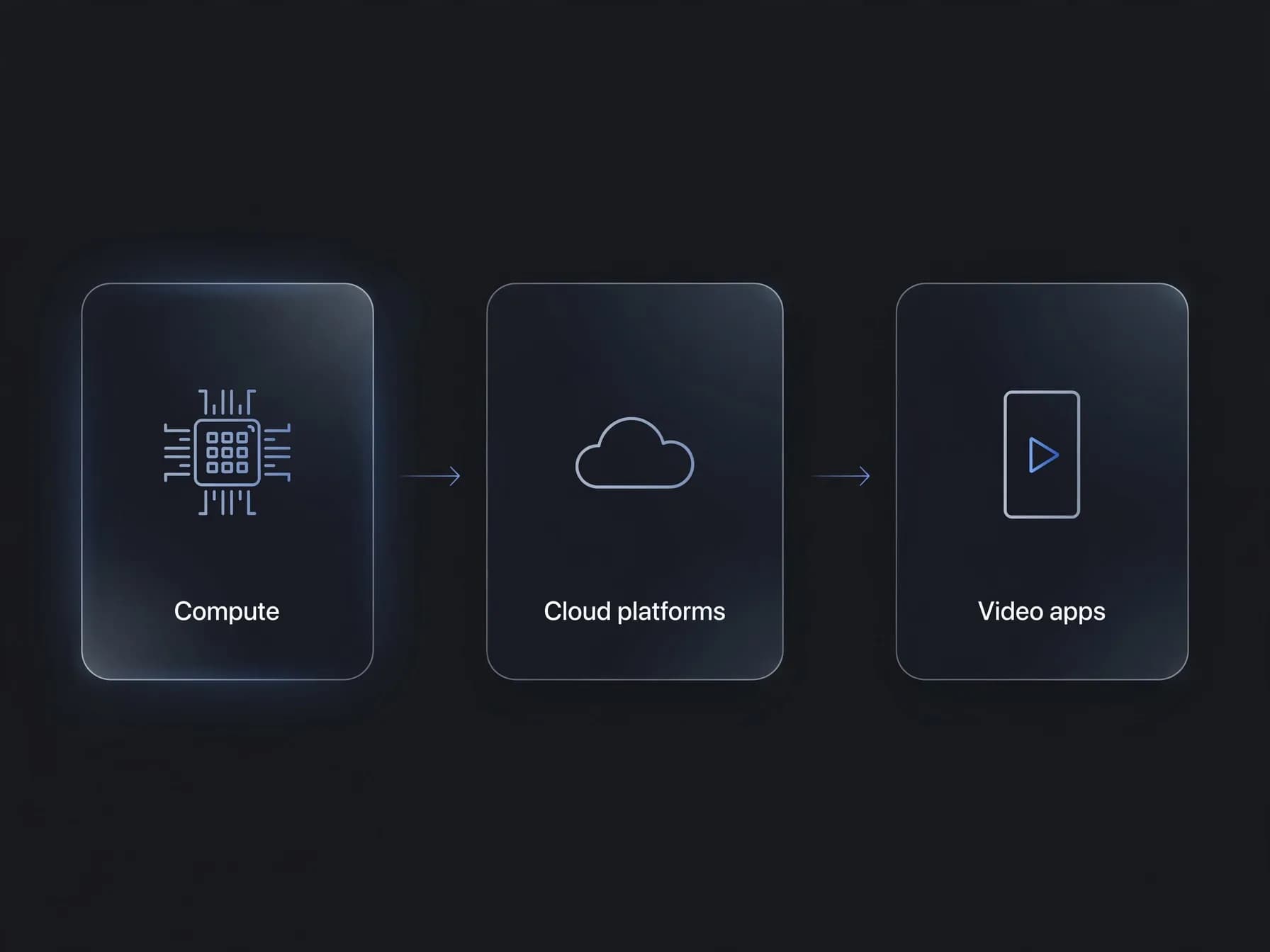
Capital allocation toward generative media infrastructure shows sustained multi-billion dollar expansion across cloud platforms. While venture investment leveled across general consumer chatbots, compute infrastructure for media generation recorded substantial growth.
Global venture funding dedicated specifically to generative video infrastructure totaled $4.2 billion during 2024 (PitchBook, January 2025). Runway raised $141 million in Series C extension funding at a $1.5 billion valuation (Bloomberg, June 2023). MiniMax secured over $600 million in a funding round led by Alibaba to scale multimodal foundation systems (Reuters, March 2024). Cloud compute costs allocated to generative video training clusters expanded by 84% across hyperscalers (IDC, October 2024).
When industry firms calculate total market sizing, estimates range from $3.12 billion to $18.5 billion because certain indexes aggregate general enterprise editing software with pure algorithmic diffusion systems. Our read: The physical cost of hosting parameter-heavy video diffusion architecture continues to centralize base foundation training among top infrastructure operators.
How do legal disclosures shape an AI report video?
Platform safety compliance rules now mandate visible tagging on synthetic human content across all major social media distributions. Creating an AI report video for commercial broadcast requires navigating varying state, federal, and platform-level verification standards.
YouTube requires creator disclosure checkboxes for altered or realistic synthetic content, logging over 1.2 million tagged uploads in its first operational quarter (YouTube Official Blog, June 2024). TikTok introduced automated Content Credentials tagging using C2PA standards across all synthetically produced uploads (TikTok Newsroom, May 2024). The European Union AI Act enacted transparency obligations for general-purpose models generating deepfake content under Article 50 (European Parliament, March 2024). The US Federal Trade Commission initiated 14 enforcement inquiries regarding unauthorized voice and likeness cloning in commercial media (FTC, October 2024).
Our read: Regulatory pressure is eliminating covert synthetic marketing, transforming explicit digital provenance into a standard publishing requirement for content teams.
Workflow efficiency metrics for enterprise teams
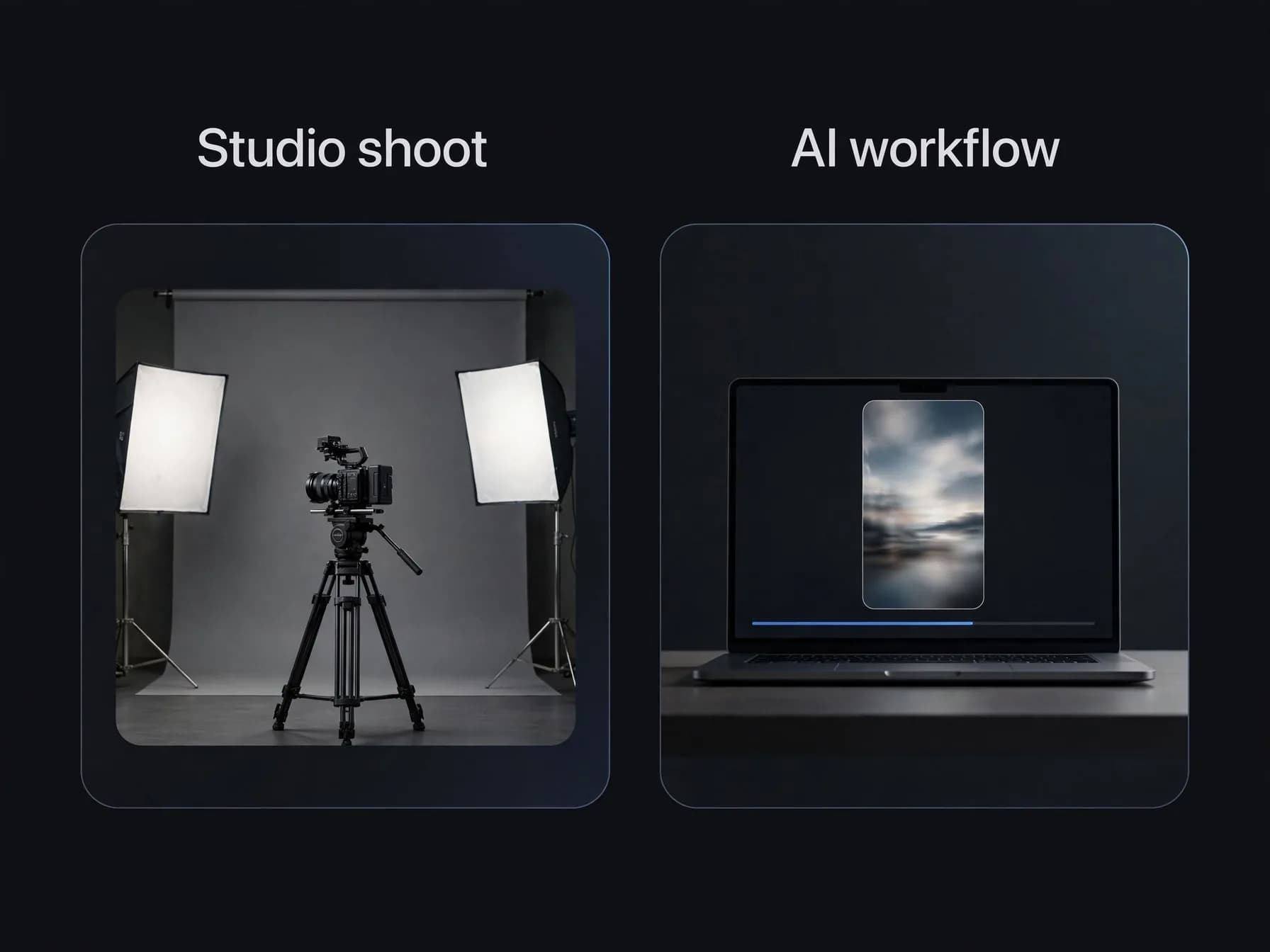
Operational measurement across agency settings confirms that automated video production tools shorten turnaround schedules. Modern creators regularly rely on OnVid's AI video generator to transform written copy and still concept frames into finished digital clips without studio gear. For creative teams wondering what is an AI short drama, these faster timelines make testing episodic scenes just as practical as cutting commercial ads. For what chat assistants can and cannot do in this workflow, see can ChatGPT generate videos.
Brand asset teams using automated video report generator tools recorded a 72% reduction in draft revision turnaround times (HubSpot, February 2025). Multilingual localization cycles dropped from four weeks to three business days when using synthetic voice matching and avatar rendering (Wired, August 2024). A study of 420 creative directors found that 58% use automated prompt clips for client pitch visualization prior to principal photography (Adobe, October 2024).
Our read: Generative tooling does not replace creative direction, but it eliminates manual mechanical bottlenecks during the preliminary concept iteration stage.
Stats we didn't include (and why)
We excluded the widely quoted claim that "90% of all internet content will be AI-generated by 2026." This figure traces back to an offhand speculative conference remark from 2022 rather than an empirical study, lacking measurable methodology or verifiable tracking data.
We removed assertions that "synthetic video ads deliver 400% higher return on ad spend than traditional shoots." That metric originated as an undated marketing graphic from an early avatar vendor, conflating standard split-testing results with foundational generation capabilities across narrow ad samples.
We also omitted claims asserting that "video generation models use 99% less electricity than traditional cameras." This figure failed to account for GPU training cycles, data center cooling overhead, or iterative prompt testing runs before reaching acceptable clip resolution. A statistics page earns trust by what it declines to print.