AI Video Trends 2026: What's Going Viral Right Now
Short-form social feeds are dominated by serialized mini-dramas, realistic character motion, and surreal visual memes that creators produce rapidly. Understanding current AI video trends helps creators choose the right formats, movement styles, and prompt structures that capture audience attention across modern video platforms.
Understanding the major AI video trends shaping social feeds
Tracking recent AI video trends reveals that short social clips now rely heavily on automated scene generation rather than manual editing suites. Creators use text prompts and still portraits to produce continuous motion without expensive filming gear.
Today the most popular AI video trends focus on character consistency and physical realism across multi-second clips. Instead of disjointed image transitions, modern tools keep facial geometry, lighting, and wardrobe steady across full camera movements. This shift allows everyday creators to draft narrative content right from their phones.
Whether you produce humorous commentary or mini cinematic sketches, staying ahead of these shifts helps you make content that resonates. Viewers expect clear resolution and natural motion, making prompt precision more important than ever.
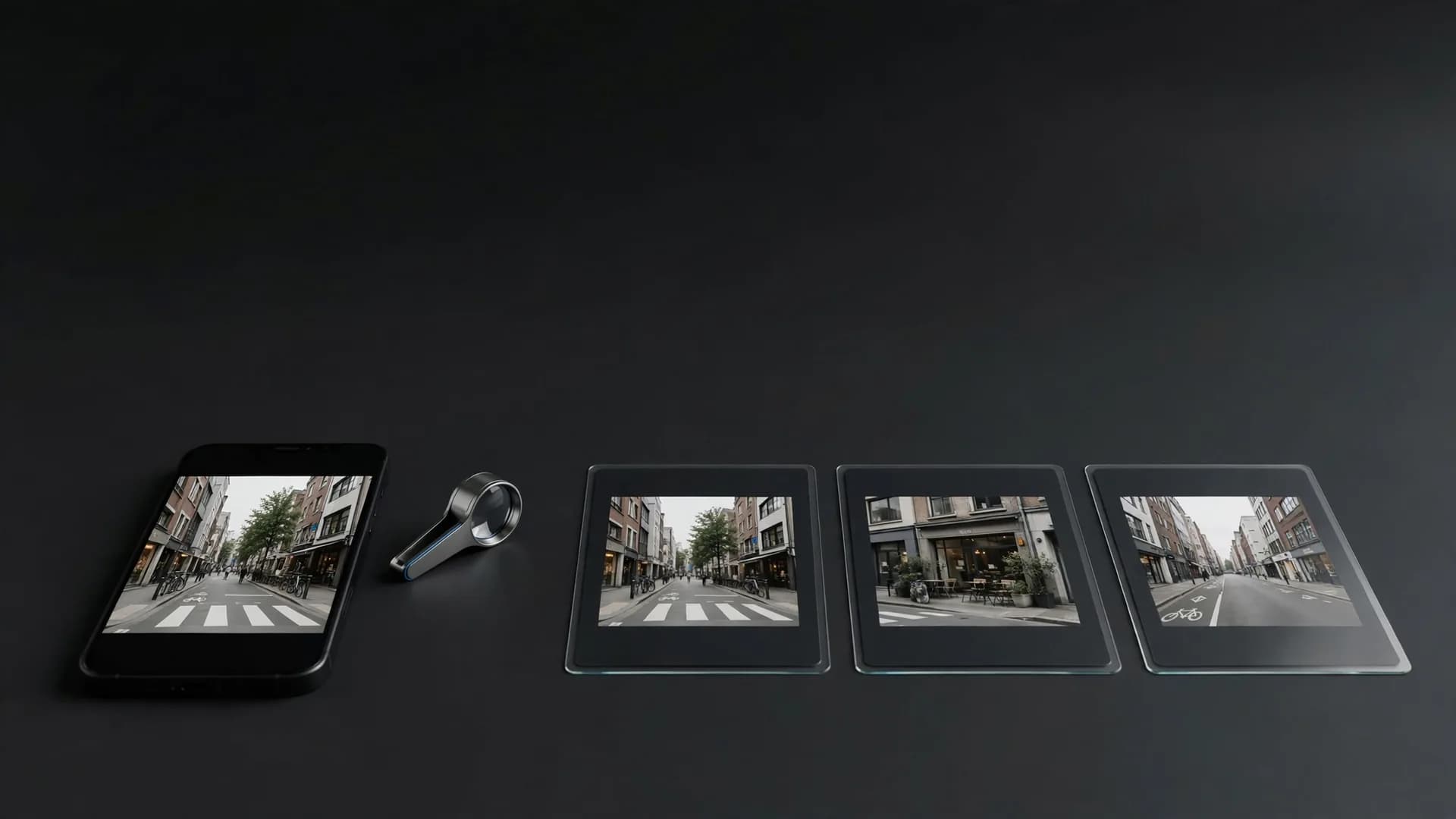
Smartphone screen showcasing a cinematic AI video trend with soft blue glowing background
How AI TikTok trends are reshaping humorous AI videos
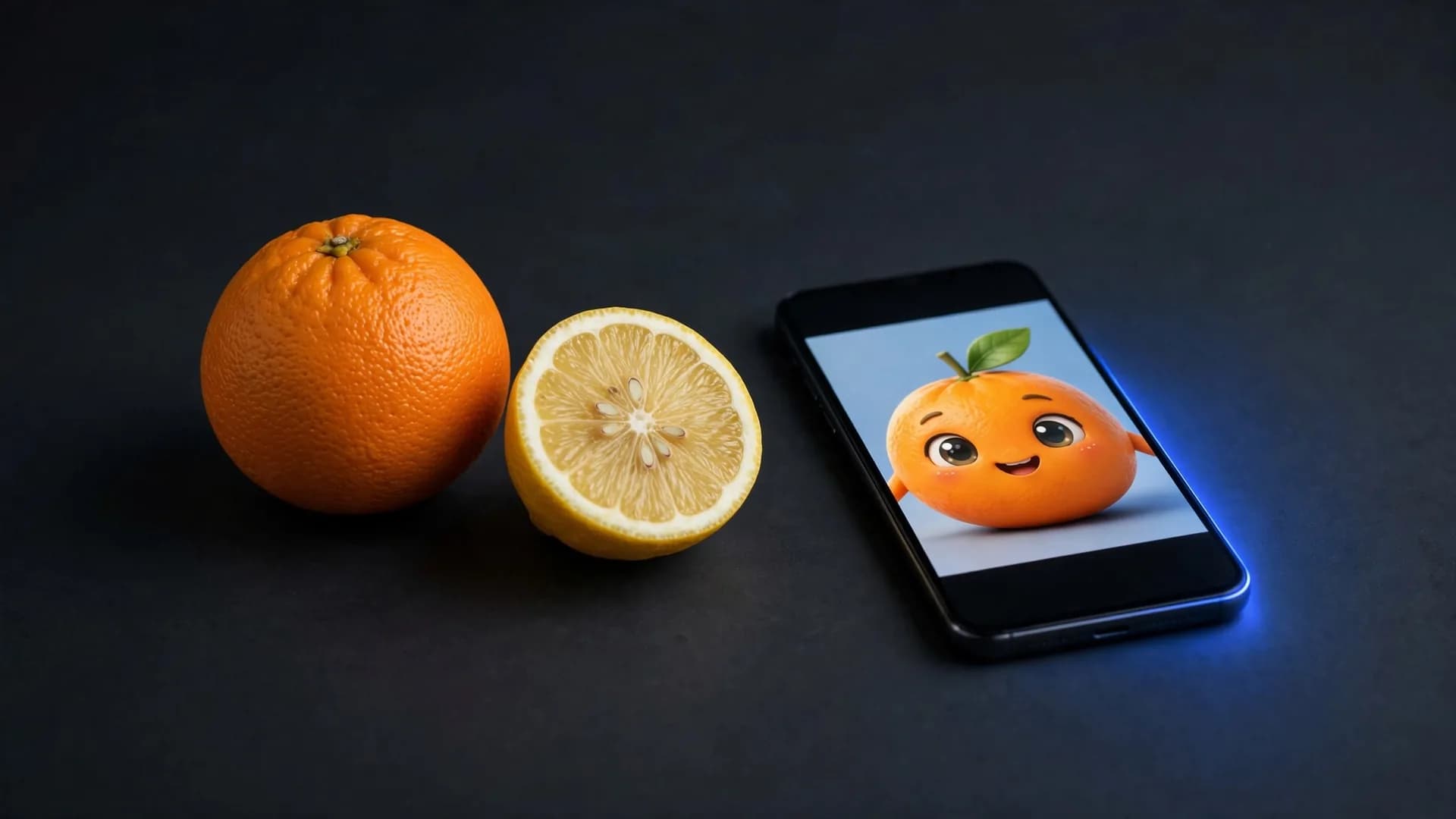
Surreal humor and rapid visual remixes define the current wave of AI TikTok trends across modern feeds. Creators animate vintage photos, craft unexpected reaction videos, and parody pop culture scenarios using quick text prompts. A single punchy concept can evolve into thousands of creator variations within days.
One dominant pattern involves bringing inanimate items to life, such as trending AI fruit videos that deliver funny spoken monologues. These surreal talking objects rely on image-to-video tools paired with lip-sync engines to turn simple household items into expressive characters. The contrast between realistic textures and cartoonish banter keeps retention rates high.
Creators also transform family pictures into exaggerated action clips or create a personalized Santa video for seasonal laughs. When you understand the underlying joke format, you can produce matching clips without filming a single frame.
Humorous AI video concept showing an animated talking fruit generated for social media feeds
The rise of serialized AI video dramas and episodic shorts
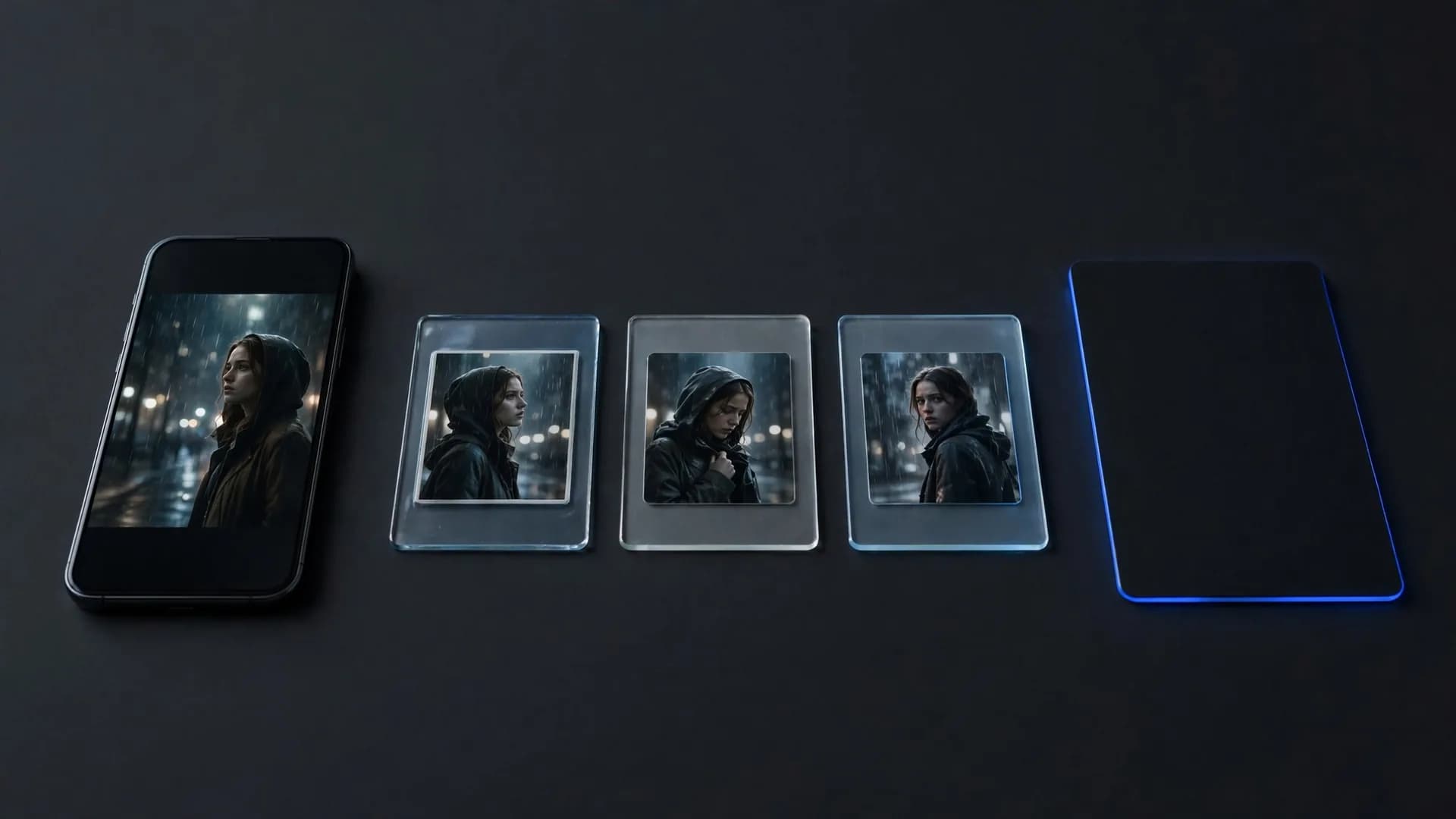
Serialized micro-dramas represent an influential AI video trend that keeps audiences returning across multi-part episodes. Independent creators now produce soap operas, mystery thrillers, and fantasy sagas using sequential prompts instead of physical film crews.
Building episodic stories requires maintaining recognizable faces across diverse environments and lighting conditions. Writers exploring what is AI short drama can brainstorm compelling AI drama ideas and chain reference portraits together. Learning how to make AI drama series gives solo animators the storytelling power previously reserved for full production houses.
These compact episodic clips capture viewer attention through fast cliffhangers and rapid pacing. As scene rendering times drop, publishing daily story chapters has become a practical creative routine.
Sequential dramatic story frames created with AI video tools showing consistent character design
Why trending AI videos feature dance remakes and motion styles
Energetic choreography clips dominate mobile feeds because viewers love watching impossible characters perform synchronized viral routines. Today trending AI videos frequently place digital avatars, historical figures, or stylized creatures into popular street choreography. These dynamic dance routines showcase fluid body movement and precise rhythm alignment.
Much of this engagement stems from creative motion mapping where still portraits match complex choreography. Creators discover that using video-to-video workflows or learning how to make AI dance videos lets them turn static personal photos into moving performance clips in moments. The resulting spectacle catches attention while avoiding awkward limb distortion.
Audiences enjoy the unexpected juxtaposition of formal portraits performing high-energy street dance steps. Mastering motion prompts allows hobbyists to take part in viral choreography trends without learning the routines themselves.
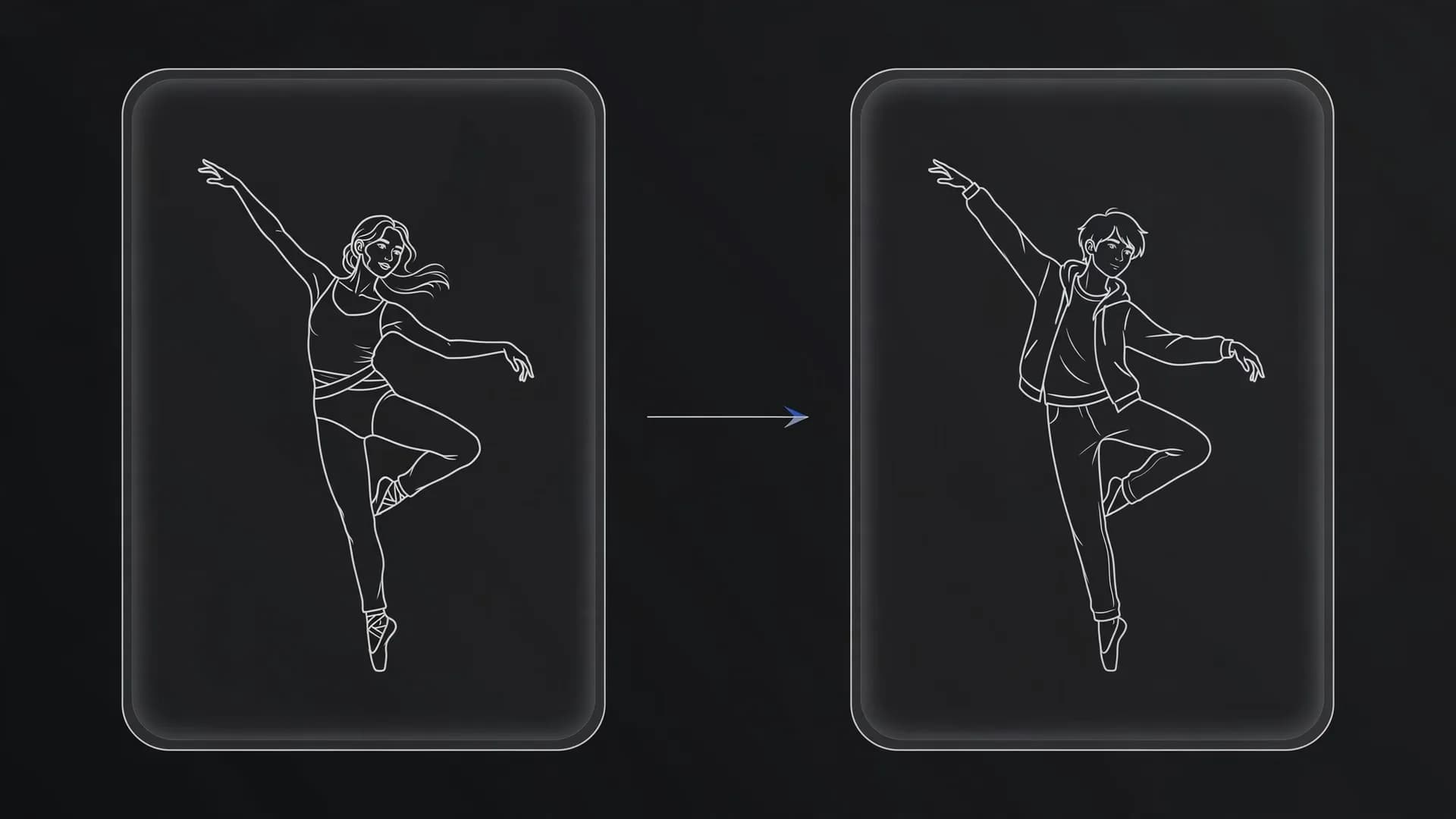
Stylized character performing choreographed dance routine generated by AI video software
How multi-engine routing and native audio redefine AI video trends
The newest AI video trends emphasize all-in-one generation where synchronized speech and environmental sound effects accompany the visual action directly. Early generative models produced silent, low-frame clips that required separate audio editing and manual sound design. Today advanced systems generate matching footstep audio, dialogue, and atmospheric ambience inside the initial clip pass.
Modern production pipelines also leverage multi-engine routing to pick the right generation model for each shot. A creator might select a model optimized for realistic portrait lip sync for dialogue scenes, then switch to a motion-heavy model for sweeping action sequences. This modular approach preserves crisp image quality and accurate lighting across diverse scene requirements.
Platforms like OnVid's AI video generator offer access to leading engines such as Seedance 2.5 and Kling 2.5 Turbo, letting creators experiment with varied aesthetics without juggling separate accounts. Choosing the ideal model for each scene ensures believable physics and clean motion.
Video editing interface showing audio waveforms synchronized with AI-generated video tracks
How to create your own viral AI video step by step
Step 1: Pick a single trending concept or meme audio and write a concrete description of
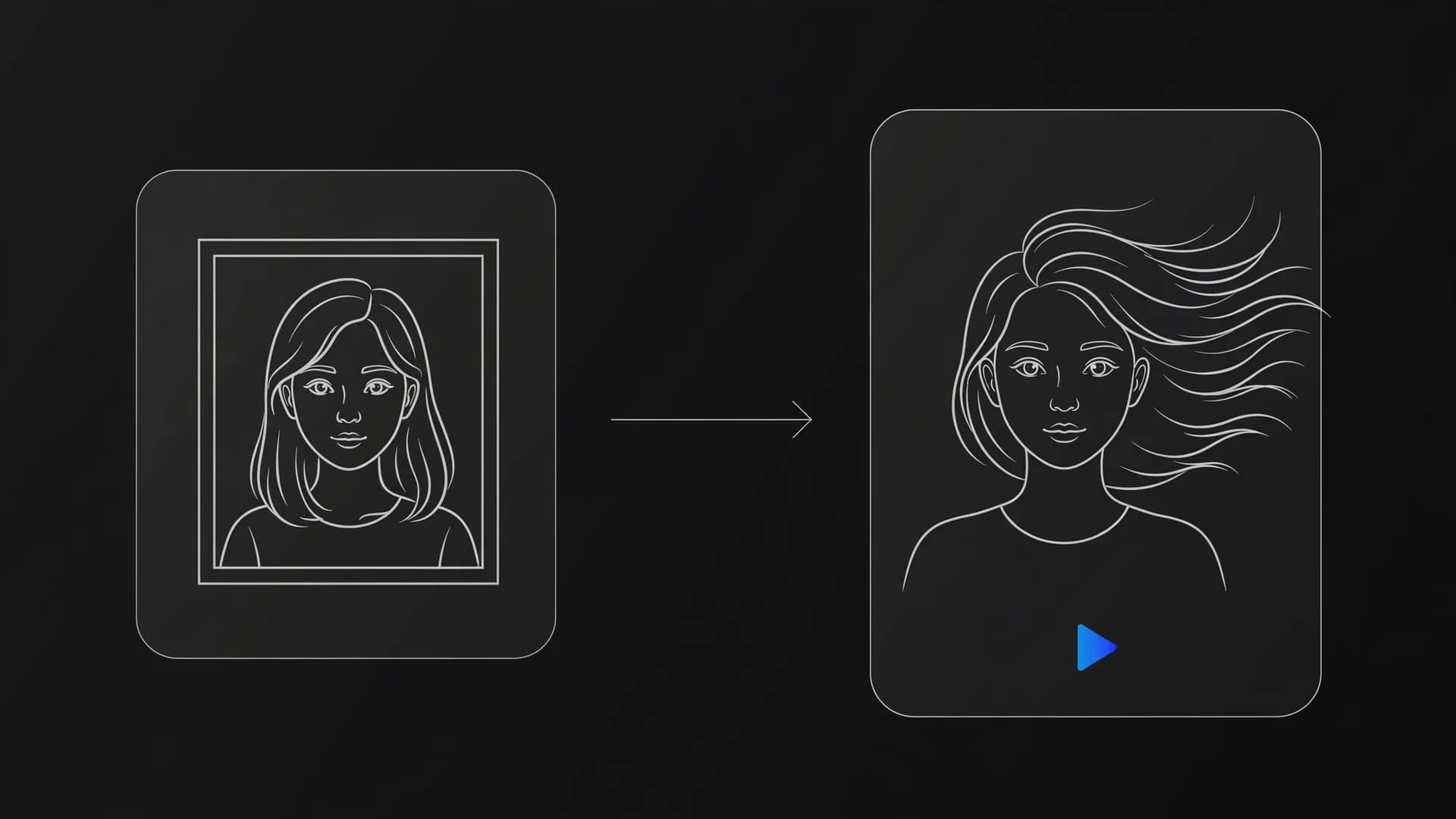
Step 2: Choose your generation method by uploading a clear source photo for image-to-vid
Step 3: Review your rendered clip, trim pacing if necessary, and export in full high def
Step-by-step visual diagram detailing how to generate a viral AI video clip from a prompt
The bottom line on AI video trends
The fastest-moving AI video trends center on short-form narrative consistency, expressive character motion, and rapid visual remixing. Creators who succeed in this landscape focus on clear prompts, crisp reference images, and disciplined pacing rather than complex filming gear. Following these shifts closely ensures your visual projects remain engaging as audience expectations evolve.
Frequently asked questions about AI video trends
Find direct answers to common questions about AI video trends, viral production workflows, and popular short-form creative styles.
What are the biggest AI video trends driving social feeds today?
Current AI video trends center on episodic vertical micro-dramas, dancing character clips, and surreal object transformations. Social audiences respond strongly to concise visual narratives that deliver a punchline or cliffhanger within the first three seconds.
Where can creators find fresh AI video ideas for their channels?
Fresh AI video ideas usually originate in trending audio clips, meme subreddits, and fictional scenario prompts. You can quickly test unexpected concepts or animate storyboards using OnVid's AI video generator without spending hours in manual production.
How are general AI trends 2026 shaping video generation?
The broader AI trends 2026 focus on higher visual coherence, native sound generation, and multi-image character conditioning. Instead of generating short, disjointed clips, creators can now assemble consistent multi-scene narratives with steady lighting and camera flow.
How do trending AI videos maintain consistent characters across scenes?
Creators maintain character consistency by using multi-image reference models and video-to-video workflows. Tools like Seedance 2.5 and Kling O1 let you feed several angles of a character so the face and clothing stay recognizable across separate shots.
What role do AI tools play in viral short dramas?
An AI video generator lets solo storytellers turn scripts into episodic vertical video series without actors, sets, or costly cameras. If you want to explore this fast-growing genre, read our guide on what is AI short drama to see how mini-episodes are structured.
Why are dancing character clips dominating AI TikTok trends?
Dancing character videos perform well on TikTok because high-energy movement pairs naturally with viral background sounds. You can learn how creators map choreographies onto still photos and digital characters in our guide on how to make AI dance videos.
How can beginners participate in popular AI video trends without editing skills?
Joining popular AI video trends requires only a text description or a clear reference image. OnVid's AI video generator automates cinematic camera motion, styling, and scene rendering so you can download finished clips ready to publish.
Can I make viral AI videos for free on OnVid?
Not completely. OnVid is free to start after you sign up, but making videos uses credits from a Pro or Max plan. If a video fails, the credits are refunded automatically, so you can adjust the prompt and try again.
How long can an AI video clip be on OnVid?
Clip lengths vary based on your selected model and plan tier. OnVid supports generated clips up to 30 seconds on the Pro plan and up to 60 seconds on the Max plan.
Can you use AI videos commercially?
Commercial use depends on the model that made the video; check the OnVid Terms of Service and the model's terms before commercial use.
How do surreal fruit and object animations fit into current AI video trends?
Unusual physics and expressive object animations are enduring AI video trends because their unexpected visuals capture attention instantly. For practical steps on making talking produce or dynamic food clips, visit our guide on how to make AI fruit videos.
What happens if a video fails to generate on OnVid?
Generations can occasionally fail due to high server traffic or prompt filter restrictions. On OnVid, failed videos automatically refund their credits back to your account balance so you can refine your prompt and try again.
How does video-to-video technology help creators remix social trends?
Video-to-video allows you to upload an existing video under 30 seconds alongside reference photos to transfer motion, choreography, or specific visual styles. Models like Seedance 2.5 let you adopt trending dances and gestures without manual keyframe editing.
Which generation models deliver the most realistic physical motion?
Models such as Seedance 2.5, Kling 2.5 Turbo, and Veo 3.1 are strong at natural physics, fluid character movement, and photorealistic lighting. Choosing between them depends on whether your project needs native audio, camera control, or cinematic textures.
What is the key difference between text-to-video and image-to-video workflows?
Text-to-video constructs an entire visual environment from scratch using your written prompt, offering total creative freedom for fictional ideas. Image-to-video takes an existing photograph and brings it to life with simulated camera pans, environmental drift, and character movement.
How fast do social video trends rotate on platforms like Instagram and TikTok?
Many visual trends fade within a few weeks as audiences tire of repetitive formats and gravitate toward fresh humor or artistic styles. The creators who succeed focus on rapid testing, publishing quick iterations while a visual style is still gaining traction.